
Boolean Values
In a programming language, we use boolean values to check the truth value of the expression.
As a programming language python also uses boolean values.
We all use boolean when we comparing the two values or variable.
Boolean: in and if statement
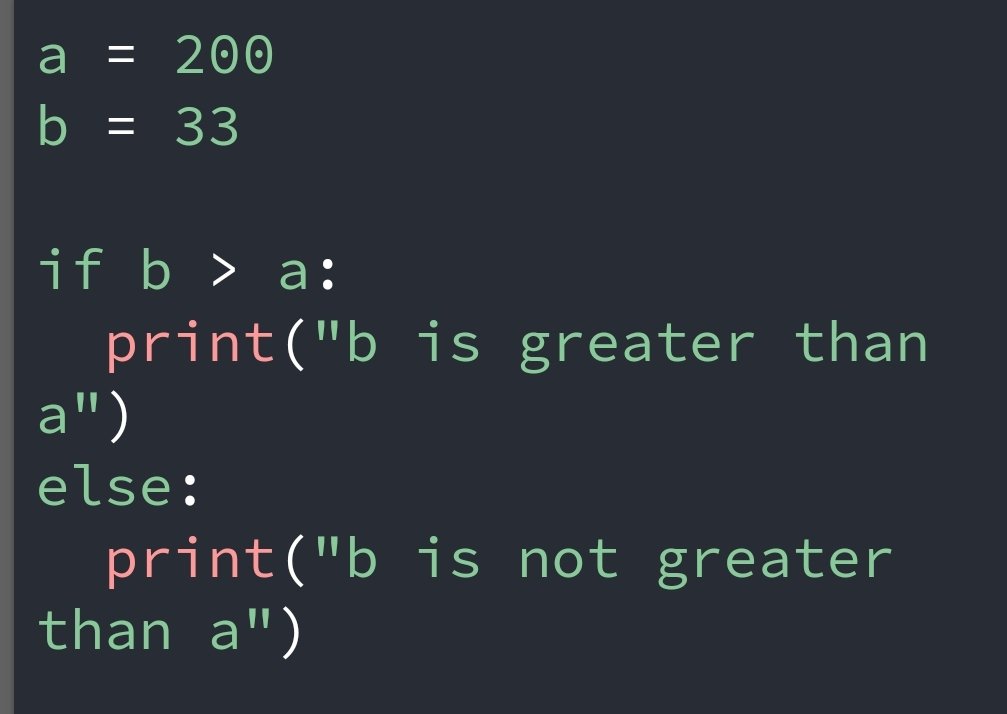
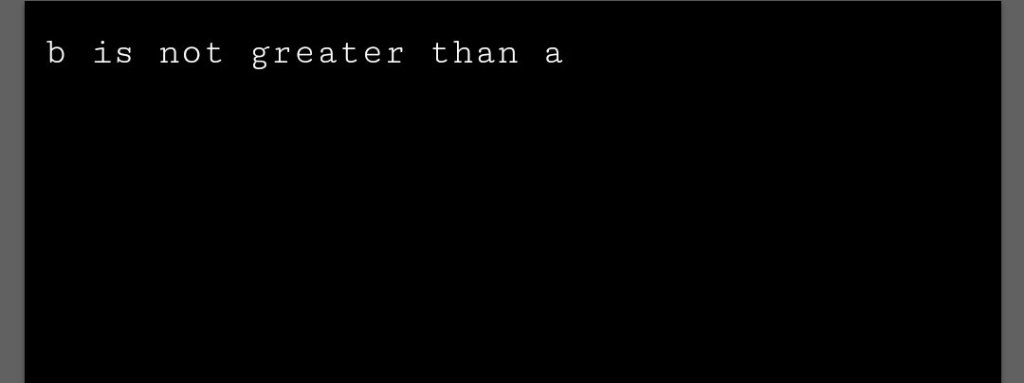
When we run condition then a message or value print-based upon the True or False.
Example
Most Values are True
• Any value is evaluated to true if it is some sort of content.
• Strings are true, except empty string.
• Any number is True, except 0.
• Any list, tuple, set and dictionary are true, except’s empty ones.
Some Values are False
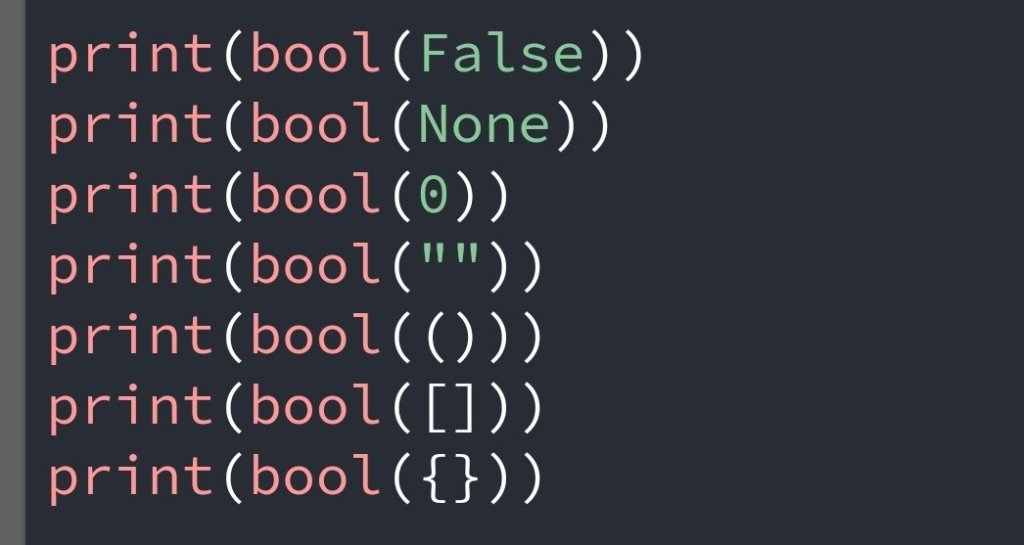
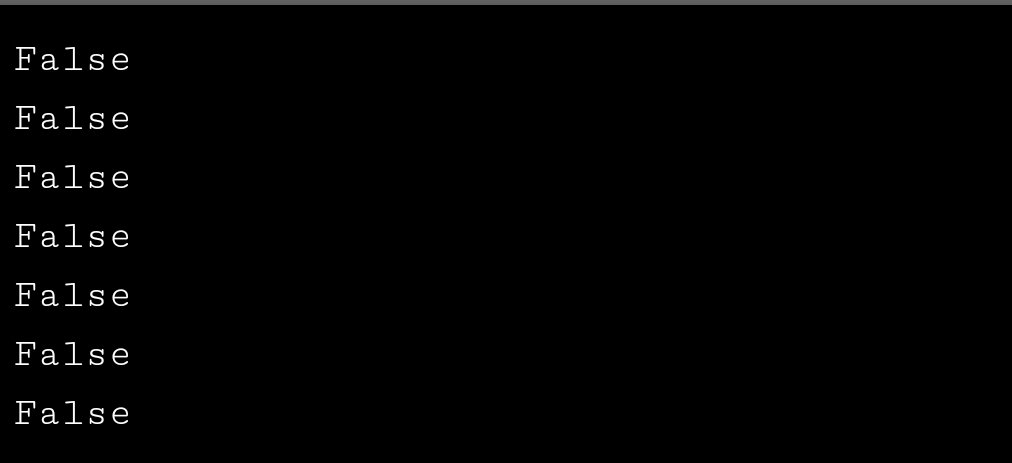
There are (),{},[],” “, the number 0 and the value None. And of course, the value False evaluated to False.
Example
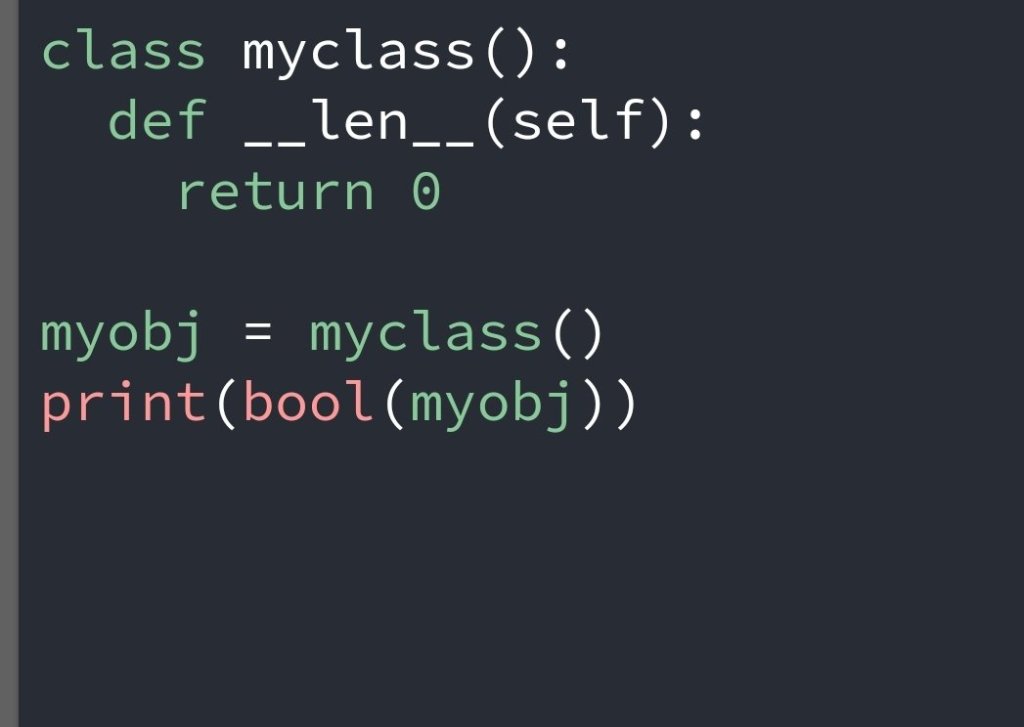
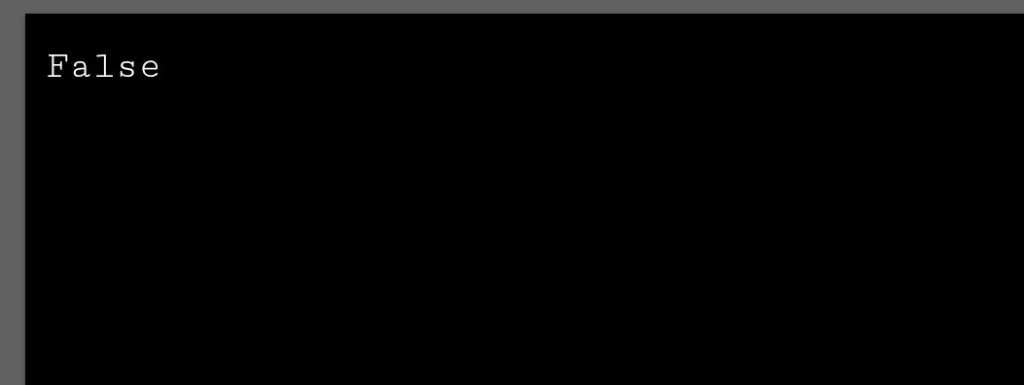
• One more values or object evaluated to false, if you have an object that is made from a class with __len__ function that returns 0 or False.
Example
Function can return a Boolean
You can create a function that can return a boolean value.
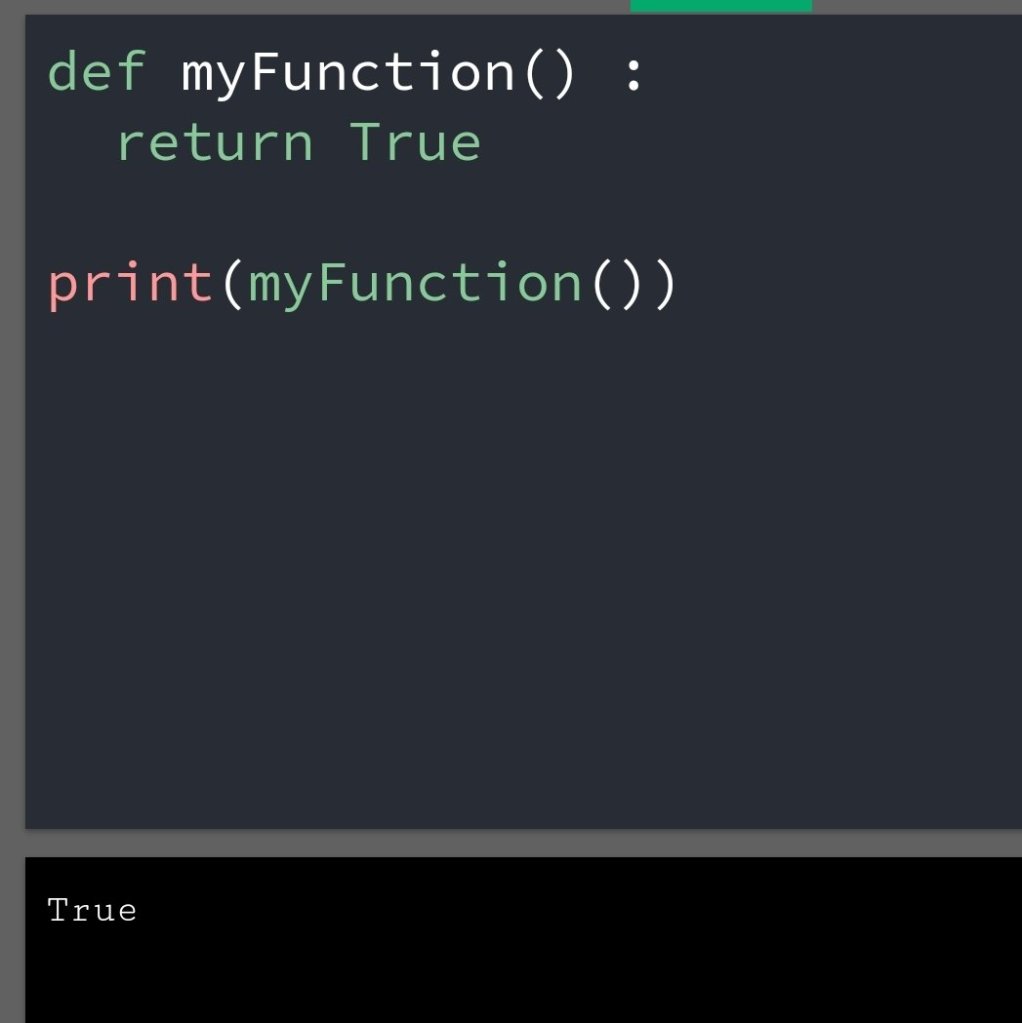
• Code based on function can return a boolean answer.
Example
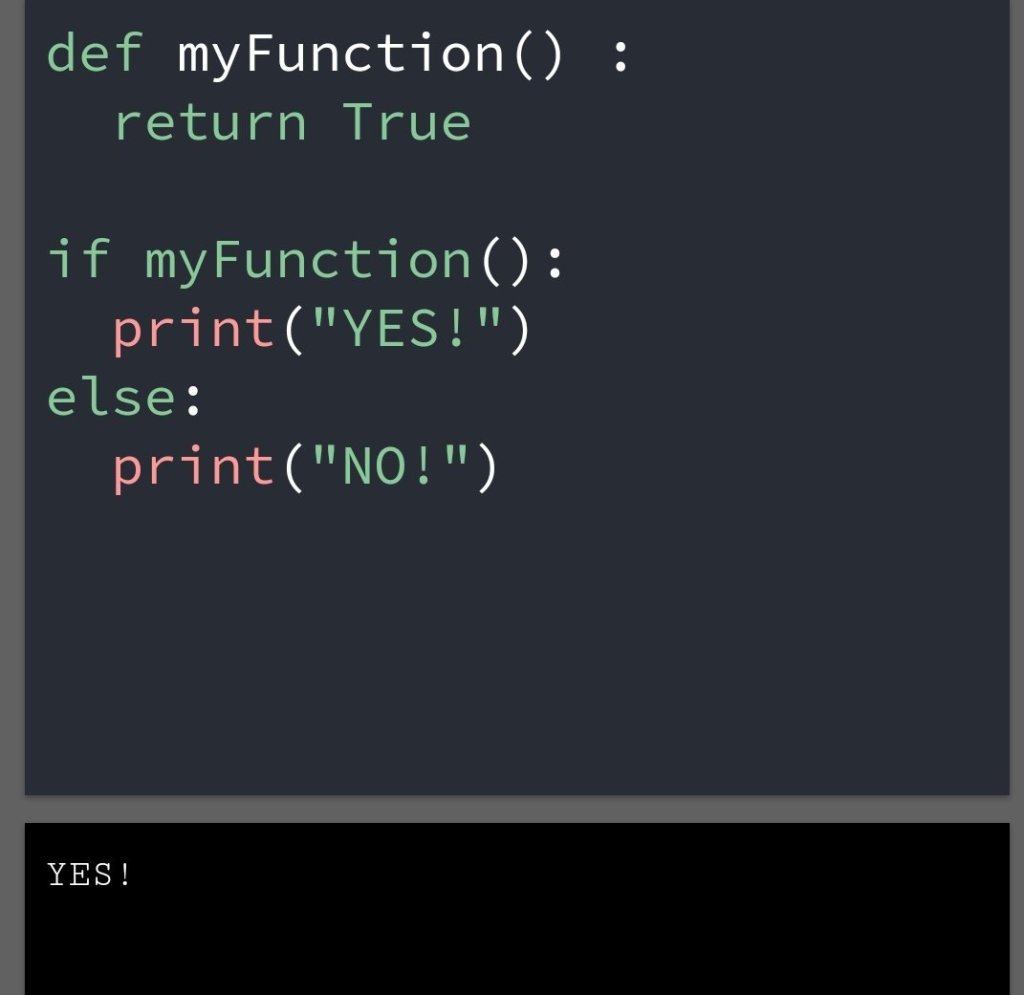
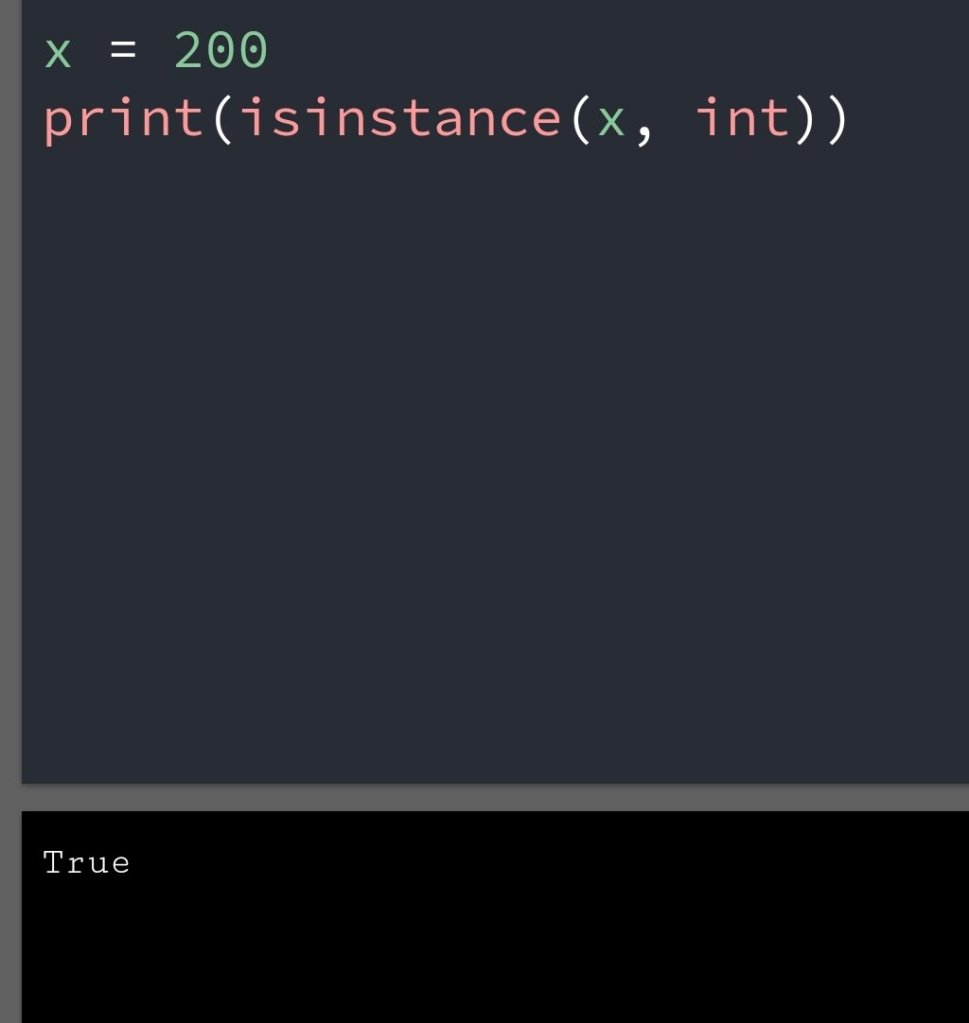
• Python has many built-in values that return a boolean value.
• Eg, the isinstance() function can determine if an object is a certain data type.
LIKE ME
 Mr.Python